Narcissists at the Movies

Movies are my favorite tool for helping a client to understand what I am talking about. All of the films below show a relationship with a NPD, in different ways. Some of the films below are shown in the Marquee above.

Continue reading

When are they NOT a Narcissist?

There are so many articles about Narcissism on the internet. It is easy to lump someone into a category when “narcissistic traits” may seem to be prevalent in many other diagnoses. This is the reason why it is inappropriate to diagnose someone who is not in the room. Often times, I will hear people talking about their partner and I realize they may have TBI or PTSD. They may also have Depression or some other mental health condition. Addicts DO seem to be narcissistic but this is because they are putting the addiction before the family, job or partner. Below are some things to be aware of. No one should diagnose anyone unless they are a psychological professional and they are in the room with this person. Even then, we don’t necessarily tell the person, unless we are going to do treatment on them or they seem open to listening.

  1. Narcissistic traits vs. personality disorder – As mentioned above, the traits can be seen in a myriad of diagnoses and so it might not be the personality disorder. We are all egotistical and so there are times when we can seem like narcissists to others.
  2. Another personality disorder. In my practicum, I worked with a woman who had Histrionic Personality Disorder. Now, I can recall her narcissistic traits, but it was way more drama. The men who have begun to see me for a Narcissistic partner, generally seem to be Borderline. Anti-Social Personality Disorder is really what is going on in the movie “Gaslight.”
  3.  I have had people tell me that a mentally ill person was a “narcissist” or that the addict was a “narcissist,” for example. Those traits will surface from these types of other diagnoses. Which comes first though? What will they be like on medication or clean and sober? This is something that we can’t answer until it happens. I try to empathize with the mentally ill person – who is not in treatment – when explaining to my clients or to people in general. With an addict, I will say “Oh, they are an addict. And the fix is their priority, not you or anyone else, which makes them seem like a narcissist.” Mentally ill people often feel bad about the strain caused on their families by their illness.
  4. Is the man/woman angry due to undisclosed sexual abuse or because of a traumatic brain injury or PTSD? I try to dig deep when I hear a man come into my office who says he was told he was a narcissist. Women aren’t generally told this for some reason. If we find out what is really going on, then we can treat the problem and find a solution. If a man is coming into my office and addressing his own narcissism by taking responsibility for this, that is usually a good sign. I would like to say that most likely they are not as the narcissist does not take responsibility. It is always everyone else’s fault.
  5. Women will often ask “Am I a Narcissist,” thinking it is genetic or maybe it wasn’t my mom or maybe it wasn’t my husband/boyfriend, maybe it was me. There is a study that I have read but I am not convinced yet, I have seen it re-enacted but not inherited.
  6. There are walls put up by the person with PTSD. I specialize in this, and I prepare for the defensiveness when they have it (not always), sometimes they can be quite angry. I never take it personally; they aren’t angry at me or at us as psychotherapists. Their behaviors sometimes can be narcissistic because they are protecting themselves from assumed tragedy, crisis, pending danger. They are angry at all men or all women. They are angry at the perpetrator and their ego shows us a very cocky, know it all, in charge, protector – or a very strong person who is trying to be in control of the world around them. They know this. The narcissist is not aware that they are doing these behaviors, some are conscious though and this is a whole other level.

The narcissist is not aware of their behaviors and how it impacts others. The parent is not concerned about how their children will turn out as adults and how it correlates to the way they raised them. They will talk about their children’s outcomes and will approve or disapprove but do not correlate with themselves and their spouse. They are “bad children”, “they became drug addicts,” “they are a horrible parent,” “they live in the basement because they can’t make it on their own.” I have heard a parent say, “I don’t want them to leave, because I don’t want to be alone.” That is, at least, some acknowledgement of responsibility.

In conclusion, don’t assume the person is a narcissist. If the articles you are reading online, make sense, talk to a therapist to discuss this further. The most important thing is not their diagnosis but how you are handling this relationship, yourself, and what steps should you take to heal and move on in your life. Take a look at my workshop on the “Survivors” page above, which can be found on Udemy.

Who Can We Trust

This week has been a difficult and challenging week for me. I had to trust someone, an attorney, who luckily was able to help me get through one challenge. On another situation, an organization I belong to, decided to strip away my trust by changing their bylaws and not informing their members. I found out by reading about it in the Daily Wire. My local branch had changed their by-laws last year, I voted “No,” because it smelled fishy to me. The chapter regent beat around the bush when I declared my concerns to her after the meeting. She “would get back to me on it, after talking to some people higher up.” She never did. I resigned from the organization this past weekend, after reading this article and knowing that it was correct.

Continue reading

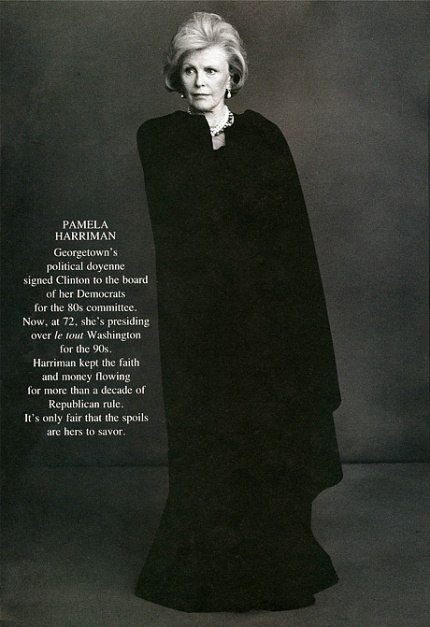
Pamela Harriman – Kingmaker, by Sonia Purnell

On February 5th 1997, almost seven months before the day of Princess Diana’s fatal crash, both coming from the Hotel Ritz in Paris, Pamela Harriman died suffering a heart attack while doing her favorite sport – swimming. Ironically, Henri Paul tried to save Pamela, after she was pulled from the waters and as a result of this heroic deed would become the final driver to Princess Diana.

Photo above by Annie Leibovitz

“What she really wanted–and what those men were unable to give her–was a life on her own terms. A woman born in the early twentieth century to parents who wanted a boy, who was raised only for marriage, who never had the chance of a formal education or proper career, that meant changing her name and her nationality, wrecking her health with work and worry, and waiting five decades for her second break.” Sonia Purnell, Kingmaker.

Continue reading

Melania – A Millennial Jackie Kennedy

As I began to read this book, my first thoughts were of two other autobiographies I have read in the last ten years. One was Queen Noor (the American-born journalist who became the Queen of Jordan in 1978 – 1999) and Sophia Loren. All had sons (though the Queen had two daughters as well). All were women who were very beautiful, international sensations, and went through tough issues as women: controversies, struggles, yet rose to fame and fortune nonetheless. None of them were tactless enough to make their book about gossip, though the Queen did have a lot to say about her son not becoming King (he wasn’t in line, as was culturally acceptable). All had strong opinions but were very grounded and kind and loving.

Continue reading

Survivors of Narcissist – Differences Between Men and Women

Yes, there are male survivors of narcissistic women and I am beginning to see them come to my office more and more these days. While the DSM -5 states that 50-75% of narcissists are men, that leaves those 25-50% who are women. And, think of the books written to address daughters of Narcissistic Mothers – they had to have fathers too.

Continue reading

Conflict In Relationships: Having a Healthy Dialogue


A relationship does not need to be divided as a result of conflict. If both parties are committed to one another and believe they are on a team – and operate as a team, both will grow with conflict. The reason so many couples are divided is that trust has been broken and they are in a two party household.

If only one partner is talking and requesting support but the other is not listening – stonewalling, or criticizing, being contemptuous or defending themself, the talker will feel bitter over time. They will feel emotionally exhausted. “I have tried explaining, but he/she doesn’t listen.” They might say. When they come into my office, the “listener” becomes very defensive, “yes I did.” I know they didn’t otherwise they wouldn’t be there.

Continue reading

Our Soul’s Mate

Patience is a Virtue, but don’t sit around and wait, patiently for him to return.           

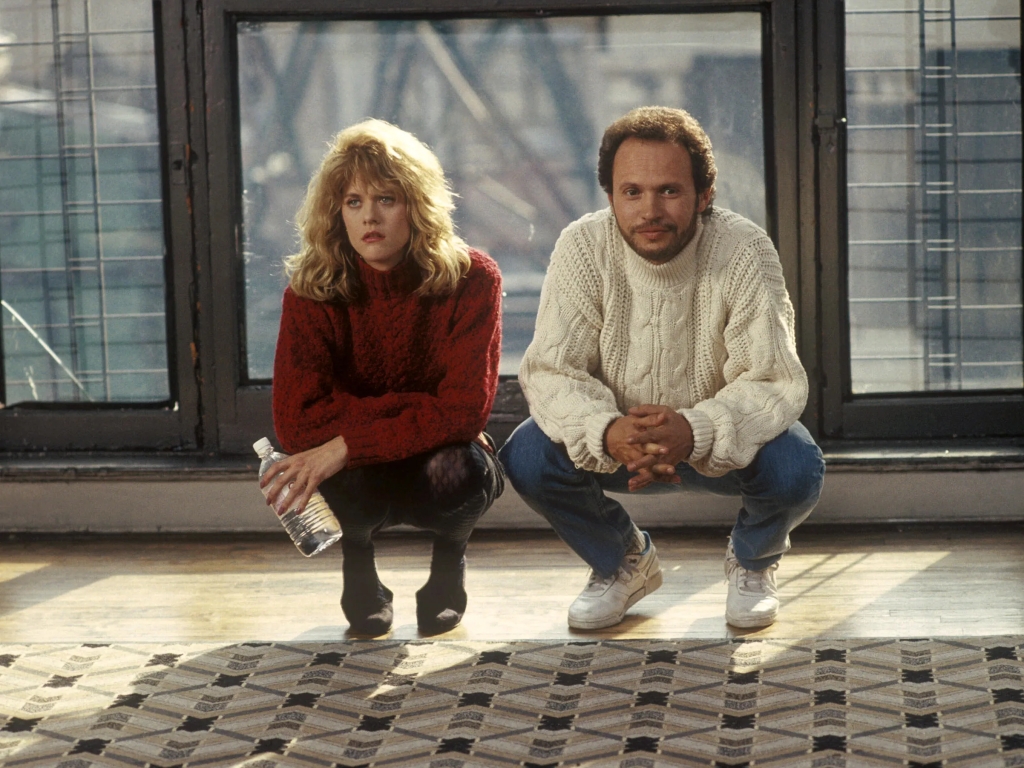
Love, Sweet Passionate Love. An energy, not an emotion, words my professor spoke to me or us in class back in the late 90’s at Antioch University Santa Barbara. I had struggled until recently to begin to understand what this really might mean. We want to believe that love is based on emotions. This is what society tells us.  That it is about sex, fulfilment, desires, needs being met, romance. And yet, every love story comes with a tale of how the two met. It is not a linear photograph. Remembering fondly, “When Harry Met Sally.” These two young adults met right in college; I believe they were driving somewhere together. Over the years, the two of them had a friendship, with husband/wife, break-ups, illness, and they still carried this bond, this fondness. It wasn’t until the very end of the movie that we see this, now older couple getting together, probably in their 30’s.

Continue reading

The Worst Person in the World – Norway

I resonated with Julie and the confusion she has as a young woman. The movie doesn’t end with less confusion, just that she has grown a little more as a person. This is normal with foreign films, as only Americans seem to need to be nurtured at the end of the film. I like the foreign way because it is more realistic to me. No one’s life ends with a nurtured ending. It ends with the choices we made and whether we have learned anything from it or not.

Continue reading

Healthy Relationships Don’t Have Blaming or Punishment

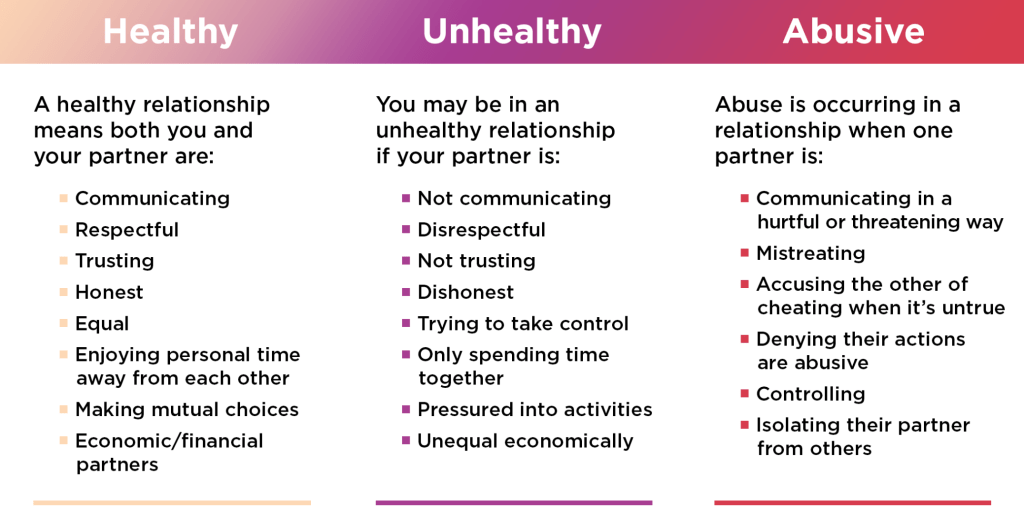
Healthy relationships are not blaming you by twisting something that you said around – they take responsibility for their own actions. Healthy Relationships do not punish you with passive aggressive tactics such as not allowing you to attend an event they invited you to or not calling for several days. The key word here is Boundaries and the person you are with respecting these boundaries. If they do, you are in a healthy relationship, if they don’t, you are being blamed and punished.

Continue reading