Biographical Database of NAWSA Suffragists, 1890–1920
Biography of Maude C. Waitt, b.1878-d.1935
By Jeannine Vegh, M.A., I.M.F.T. Psychotherapist and Author
jkvegh.com and ohiowomenshistory.com
Women’s City Club of Cleveland, Citizen’s League of Cleveland, Women’s Civic League of Lakewood, Ohio Women’s Suffrage Association, Western Reserve Chapter of the Daughters of the American Revolution, Ladies of the G.A.R., City Council of Lakewood, Lakewood Republican Club and Ohio General Assembly – State Senate
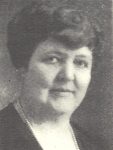
Maude Edith Comstock was born on August 11, 1878 in Middlebury, VT. Her parents were Orvis Foster Comstock and Mary Severence (née Hickey). She was the last of seven children but only three survived into adulthood. She met and later married Walter Gustavus Waitt on June 25, 1903 in Melrose, MA. They had a daughter, Doris Ida who was born on March 7, 1909 (died 1995) after moving to Ohio. Doris would go on to wed a year after her mother died and does not appear to have had any children. Prior to marriage Maude taught in Vermont and then Massachusetts before becoming a principal at a grammar school there. Mr. and Mrs. Waitt would stay married until her death on December 13, 1935.
In 1914, Maude and her husband, moved to Lakewood, Ohio, where suffrage had been on the ballot for the second time in the state and failed. Two years prior, the Ohio Constitution had allowed cities the right to frame their own suffrage charters and create municipal offices. Then, three years after the couple had moved to the area, Lakewood passed municipal suffrage, which allowed women in the district to vote on municipal issues. This passed with the support of Maude, C.E. Kendall, and Bernice Pyke. At the same time, Maude organized citizenship classes to enable new voters from the immigrant pool.
In 1918, she became the Chair of the Lakewood Women’s Suffrage party. She urged women to “do our part in making the world safe for democracy.” In this position, she sold $800,000 worth of Liberty bonds for the fourth drive. As a result, the Lakewood Press, on October 18, 1918 stated “They [Lakewood Women’s Suffrage party] have demonstrated their capacity to measure up to every obligation of full-fledged citizenship. Only a narrow minded man in this day of wonderful emancipation would seek to deny women the right to National Suffrage.” The article went on to exclaim “here’s to the ladies; once our superiors, now our equals.”
In 1920, Ohio was the fifth state to ratify the nineteenth federal amendment to the constitution. In 1921, Maude was elected to the City Council of Lakewood. One year later, she would resign as she was now one of the first of six women elected to the Ohio General Assembly in the State Senate. Maude was the first woman for the twenty-fifth Senatorial District. She held the title of the Honorable Mrs. Waitt. She would be re-elected in 1926 and 1930 for a four year term limit. During her three terms she sat on the following Senate committees and was the Chair for three of these: 1. Benevolent Institutions (Chair); 2. Prison and Prison Reforms (Chair); 3. Library (Chair); 4. Public Health; 5. Commercial Corporations; and 6. Soldiers and Sailors Orphan’s Home. She also introduced three bills SB 130, SB 138 and SB 252, and these were all signed into law. The first bill, SB 130 dealt with the sale and conveyance of portions of the Cleveland State Hospital. The second bill, SB 138, allowed the state medical board to appoint visiting teachers for recognized schools of nursing. The last bill SB 252 required schools to prevent sudden cardiac arrest (this is now known as Lindsay’s Law).
After a long illness, Maude passed on December 13, 1935 in Lakewood, Ohio. She was fifty-seven years old.
Sources:
“Hulbert Family Tree”. Ancestry, search.ancestry.com/.
Coates, William R. “Biography of Mrs. Maude C. Waitt.” A History of Cuyahoga County and the City of Cleveland, The American Historical Society, Chicago and New York, 1924.
Online Biographies, The American Historical Society, Chicago and New York 1924, http://www.onlinebiographies.info/oh/cuya/wait-mc.htm.
“Ladies Gallery.” The Ohio Statehouse, edited by Ohio Women’s Policy and Research Commission, http://www.ohiostatehouse.org/museum/ladies-gallery?3.
A card advertising Ms. Waitt’s run for State Senate. A Service of Ohio’s Public Broadcasting Stations. Ohio Ladies Gallery. The Ohio Channel, http://www.ohiochannel.org/video/e-elect-maude-c-waitt.
A Dream and What Became of It. A Service of Ohio’s Public Broadcasting Stations. Lakewood Press 1/1/1921. The Ohio Channel, http://www.ohiochannel.org/video/a-dream-and-what-came-of-it.
The following resources were courtesy of: The Lakewood Historical Society, est. 1952, Jessamyn Yenni, M.A., Curator
Borchert, Jim, and Susan Borchert. Lakewood the First 100 Years. Norfolk, VA, Donning County, 1989.
Butler, Margaret Manor. The Lakewood Story. New York, NY, Stratford House, 1949.
Allen, Florence E., and Mary Welles, compilers. The Ohio Women’s Suffrage Movement: A Certain Unalienable Right. USA, 1952.
“Editorial.” Lakewood Press [Lakewood], 18 Oct. 1918.
League of Women Voters of Lakewood 1922-1967: A Glimpse at the First Forty-five Years. Lakewood, 1968.
Abbott, Virginia Clark, compiler. The History of Women’s Suffrage and League of Women’s Voters in Cuyahoga County, 1911-1945. William Feather Company, 1949.
Thank you to the Ohio History Connection on-site library for their support with Ancestry.
Special Note: This will soon be on a database for the WOMEN AND SOCIAL MOVEMENTS IN THE UNITED STATES, co-published by the Center for the Historical Study of Women and Gender at Binghamton University and the online publisher Alexander Street.
 When I went to Ohio’s Statehood Day in February, I learned that they were putting together a bill for an Ohio Women’s Suffrage Centennial Commission. The good news is that it was passed on April 11th and is now awaiting Governor DeWine’s signature. This bill was sponsored by both a Republican (
 Happy 216th Birthday Ohio! We celebrated today at the Capital Building in downtown Columbus, Ohio. Part of the building was built in 1861 and then an addition was added in the early 1900’s. I took a tour of some of the building and later went back to get a look at the museum after the Statehood Day events were over with. There is a “Ladies Gallery” room on the first floor that is not part of the museum. There isn’t much in there for the moment but a lot to learn in a short amount of time. It is mainly focused on the first six women elected to the Ohio Senate and State Representatives in 1920 when Women’s Suffrage was ratified. These women were: State Representatives -Nettie Mackenzie Clapp, Lulu Thomas Gleason, Adelaide Sterling Ott, Mary Martin Van Wye and then State Senate – Maude Comstock Waitt and Nettie Bromley Loughead.
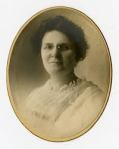
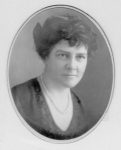

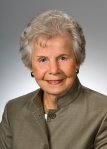
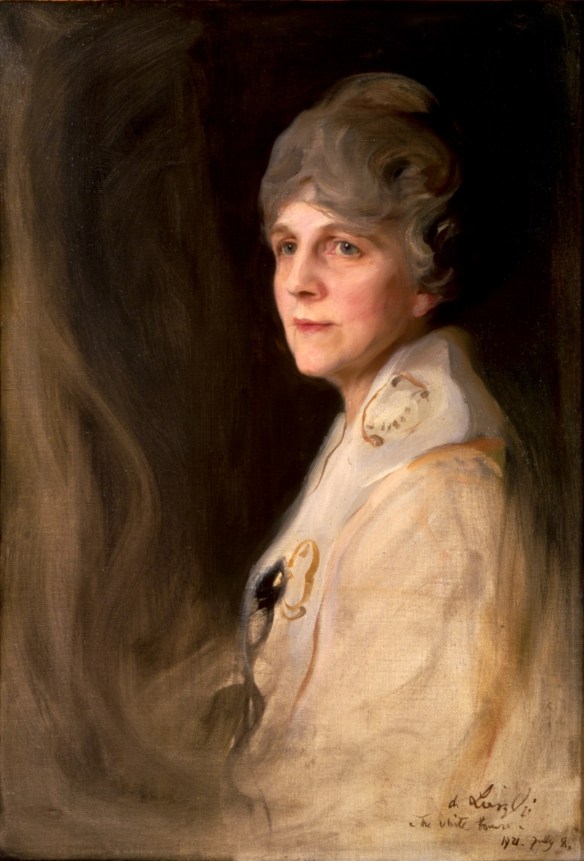
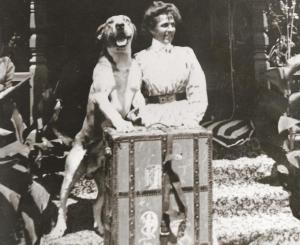
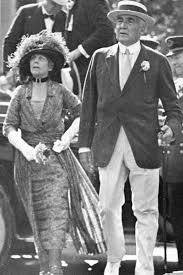
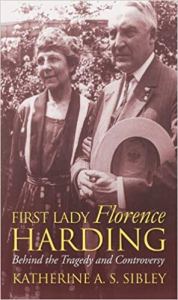
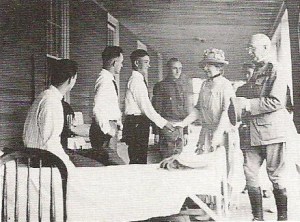 Florence took her role to heart and was not just involved in planning parties and decorating the house. Suffrage was ratified right before they went into office and so Mrs. Harding was the very first wife to vote for her own husband. She was very involved in helping Warren choose cabinet members (some of their friends) and writing the speeches he would present. She was involved with women’s concerns and took part in the conditions faced by female criminals and creating a Women’s Prison. She had gatherings with women journalists at the White House. She invited notable women to the White House such as Madam Curie. Not only was she involved with raising awareness toward women and their issues, she was also passionate about war veterans. She toured many hospitals and gave public functions for soldiers and their families. Florence and Warren Harding had a great love for animals. While their family did not include children of their own, they did have several dogs and a horse. As a result, philanthropy toward animal rights was another great cause they both shared. Ms. Sibley took offense to this though, in writing that Florence had no problems with wearing a fur coat. In that time period, it was normal to wear furs and being “Politically Correct” was unheard of. While people enjoyed pets and wanted to protect them, the issue of non-pet animals was really not a concept at that time. I don’t feel confused by this at all.