The 70th anniversary for the 1956 Hungarian Revolution is in two days on October 23rd. The revolution began as a grass roots uprising with students and locals struggling to get Russia (then known as the U.S.S.R.) out of their country. This lasted for 15 days. Today’s modern wars such as we see in the Ukraine vs. Russia, are so much different than they were in the fifties. This was a time prior to social media, computers, and the U.S. was fearful of engaging with Russia and were involved with some other issues. This has been debated and discussed and available online by others.
In honor of the 70th anniversary, I wanted to share a historical fiction that I wrote about this time period. My reason for putting this book together is that I grew up with a refugee who was part of the Hungarian diaspora resulting from this revolution. Hungarians dispersed to various parts of the world, including: Canada, the U.S., other parts of Europe and even South America. This was not an easy transition as the borders were closed very quickly and they had to find ways to escape their own country. Again, this is a little different than how things are done today with modern communication.
In preparation for this book, I researched extensively, reading both fiction and non-fiction, interviewing Hungarians in Hungary and studying the somatic identities of the people at that time, through famed Austrian photographer Erich Lessing. This meant pouring over photographs in his book, peering into the faces to embody and intuit from the expressions they shared. I also watched a couple of films produced and directed in Hungary, which captured the time period in and around this event. It was extremely depressing and difficult to see what people went through and at the same time, to witness and take pride in the courage and strength of a nation trapped.
The reason I chose the genre of historical fiction, is that my father (my stepfather who adopted me), and all the people I grew up with at the Hungarian church (in Columbus, Ohio), never really explained their complete history. This was due to the uncomfortableness of talking out loud about the trauma they faced in English or with non-refugees. My father died in 1996, and most of his friends from that time period did not live long lives. Once I was ready to write this book, they were long gone or still hard to talk with. Though we were in a generation where people dealt with their trauma in psychotherapy, the elders I knew still did not embrace this idea. It is interesting though, maybe some did, or maybe the advent of the computer made people more willing to share in an email or on a contact form, their story.
As I love women’s history at the same time, I chose to center my character on a young woman, who set out with her brother and his friend, to go to Budapest and be a part of the uprising. And, since it was a short lived war and the character’s life changes rapidly before her eyes, I brought the story to the U.S. and continued her journey here. This is just as important as the story of the revolution in and of itself, because it captures the life of the Magyars (Hungarians) in North America. The trauma from this transition. This is what I did know very well from growing up with these people and being a psychotherapist myself. I chose to add a Jewish character in this novel, specifically because the two wars were a little over a decade apart. Not to mention Hungary’s horrible alliance with Hitler, which I wanted to explain and bring into focus. This is a bitter addition to their history, but one that is equally important.
The novel goes through several decades, our heroic character returns to Hungary for work, and this is poignant as I focused on capturing a different Hungary then what she would have faced when she left. Returning to parents who she hardly knows anymore, though she has done her best to remain in contact through the now communist regime. Here she is caught up in an unassuming romance that then brings her back home to the U.S.
This book is written for people who are fascinated with the Hungarian people and their history. It is for the first, second and third generations of the Hungarians from 1956, to better understand and capture what their ancestor might have faced. There are so many stories, so many tales (I have heard some that you wonder if they have been enriched, but you never know) and so like with every immigrant, none are the same though some seem alike. Each Hungarian ancestor who left during or after the 1956 uprising, faced insurmountable obstacles to traverse the countryside and step foot in other country. All of them left their extended family behind, many family heirlooms, treasures, friends and a love for their country. No one ever said to me, that they were happy to leave. You can imagine having to make a decision to abandon people you love and a country you are devoted to.
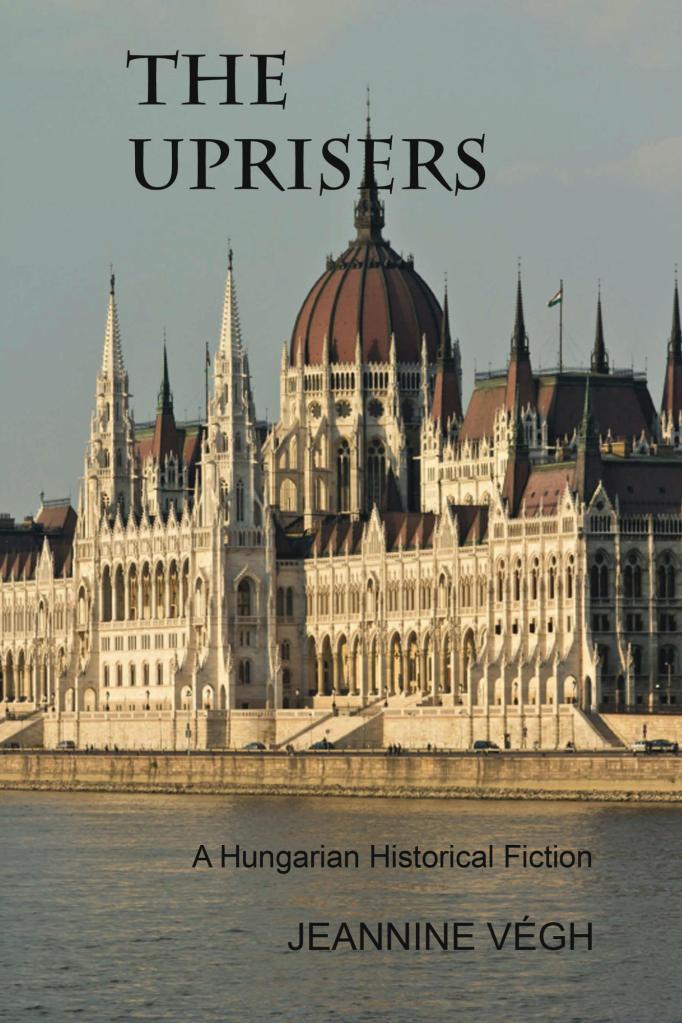
If you would like to read more, my book The Uprisers: A Hungarian Historical Fiction can be purchased as a paperback or through Kindle on Amazon, and you can also read the eBook here: https://books2read.com/u/md26JX
Whichever your choice, I do hope you will write a review where it was purchased and make others aware of this timeless story. I would also love to hear your thoughts in the comments below.

